Lumion 10 Realistic Render Settings _top_ -

“Lumion 10 won’t render like Corona or V-Ray out of the box, but with these settings, you’ll close 90% of the gap – in 10% of the time.”

A: Yes. Hyperlight simulates indirect light bouncing off colored surfaces (e.g., a red wall turning a white floor pink). Set to 0.6 for exterior; 0.9 for interior. lumion 10 realistic render settings

Always turn this effect ON to ensure all vertical lines in your image are perfectly straight. “Lumion 10 won’t render like Corona or V-Ray

Use a very tiny amount (below 0.1) to mimic the slight color fringing found at the edges of real camera lenses. 5. Resolution and Output Always turn this effect ON to ensure all

If your Lumion 10 renders still look like video game screenshots, you’re missing a few key settings. Achieving photorealism isn’t about one magic slider—it’s about combining the right effects in the right order. Below are the essential settings I use to turn "CGI-looking" into "is this a photo?"

To get a professional look, you should start with the preset and then manually fine-tune these critical effects:
Lumion 10 Realistic Render Settings _top_ -

  • Play and organize music
  • Supports WAV, FLAC, WavPack, Ogg Vorbis, Speex, MPC, TrueAudio, AIFF, MP4, MP3, ASF and Monkey's Audio
  • Audio CD playback [*]
  • Native desktop notifications
  • Playlist management and playlists in multiple formats
  • Smart and dynamic playlists
  • Advanced audio output and device configuration for bit-perfect playback on Linux
  • Edit tags on audio files
  • Automatically retrieve tags from MusicBrainz
  • Album cover art from Last.fm, Musicbrainz, Discogs, Musixmatch, Deezer, Tidal and Spotify
  • Lyrics from multiple sources
  • Audio analyzer
  • Audio equalizer
  • Transfer music to mass-storage USB players, MTP compatible devices and iPod Nano/Classic [*]
  • Scrobbler with support for Last.fm and ListenBrainz
  • Streaming support for Subsonic-compatible servers

* Audio CD and device support is not available on Windows.

Lumion 10 Realistic Render Settings _top_ -

Strawberry is a music player and music collection organizer. It is aimed at music collectors and audiophiles. With Strawberry you can play and manage your digital music collection, or stream your favorite radios. Strawberry is free software released under GPL. The source code is available on GitHub. Strawberry is a fork of Clementine. It's written in C++ using the Qt framework and GStreamer.

Lumion 10 Realistic Render Settings _top_ -

If you enjoy Strawberry, please consider sponsoring the project.
Strawberry is free software, as in freedom, and depends on donations from our users. There are few developers, and most of the development is done by one person. Strawberry has become very popular over the past few years with hundreds of users. Maintaining the application, running all the services, providing releases and dealing with bugs and technical issues is a time-consuming job.

There are currently 4 options for sponsorship:

Monthly donations through Patreon, Ko-fi or GitHub is preferred, but it is also possible to donate once using PayPal.

Lumion 10 Realistic Render Settings _top_ -

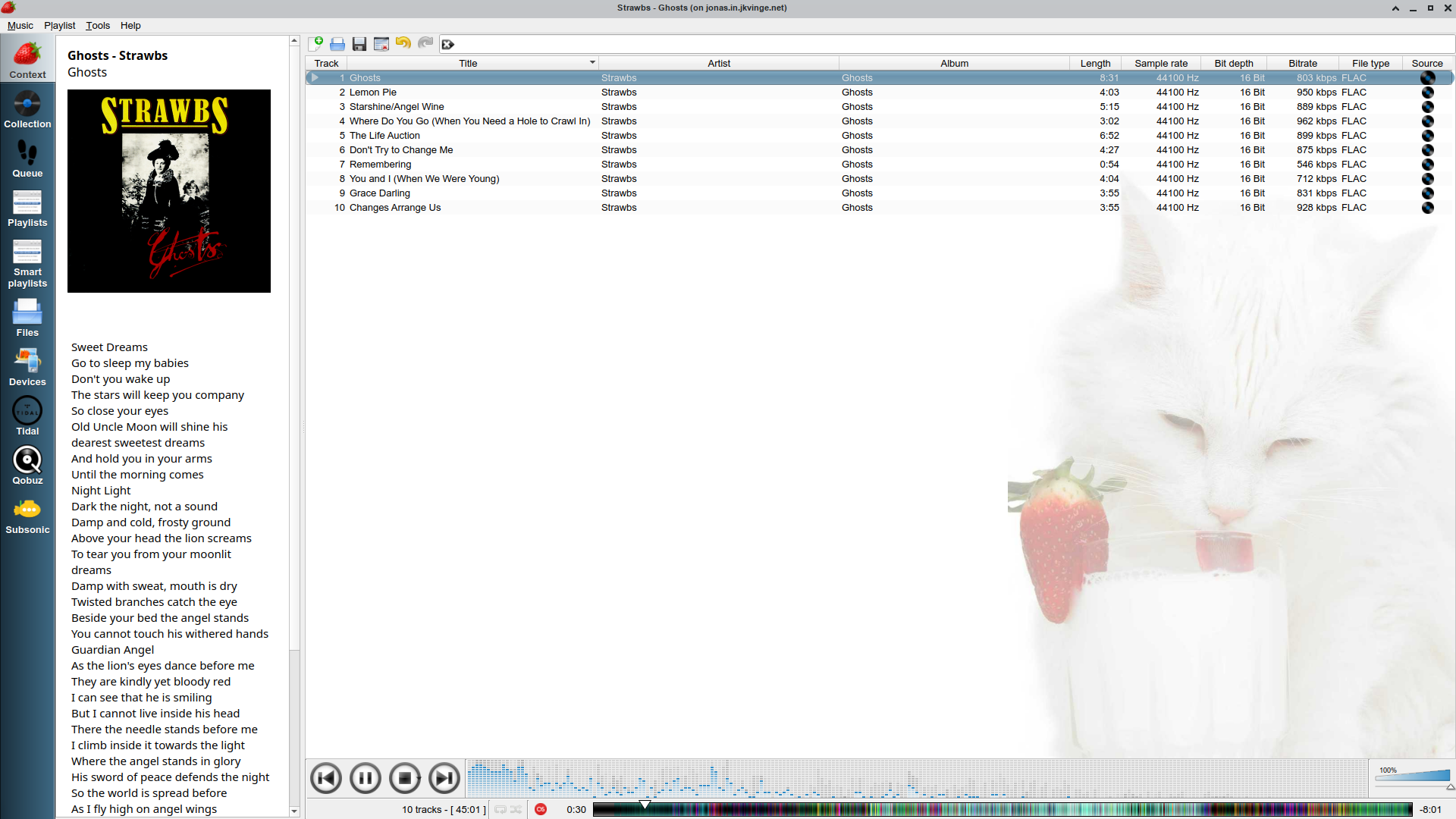
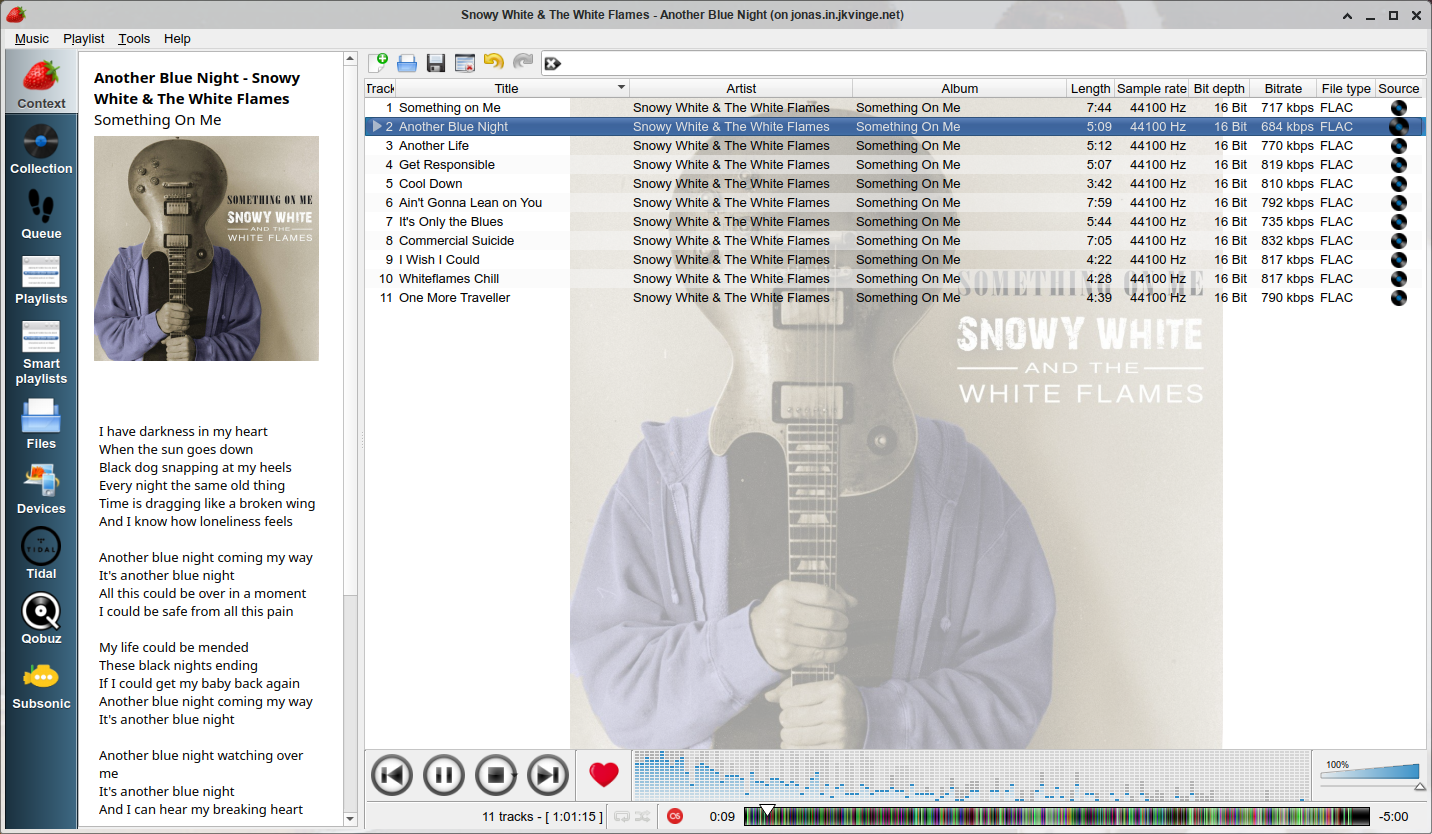
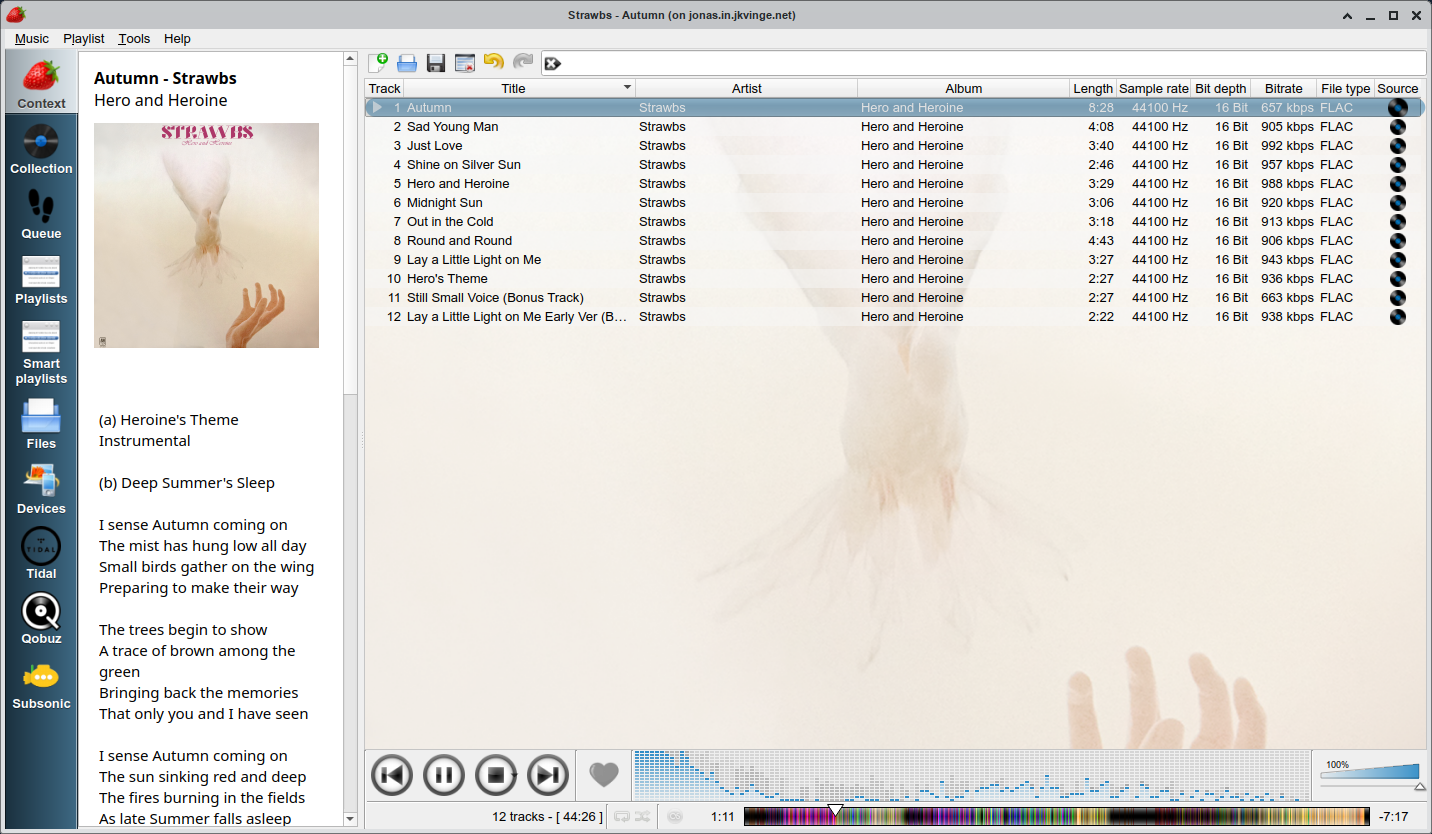
Main player window showing song playing with lyrics.

Main player window showing song playing with lyrics.

Fullscreen player window.

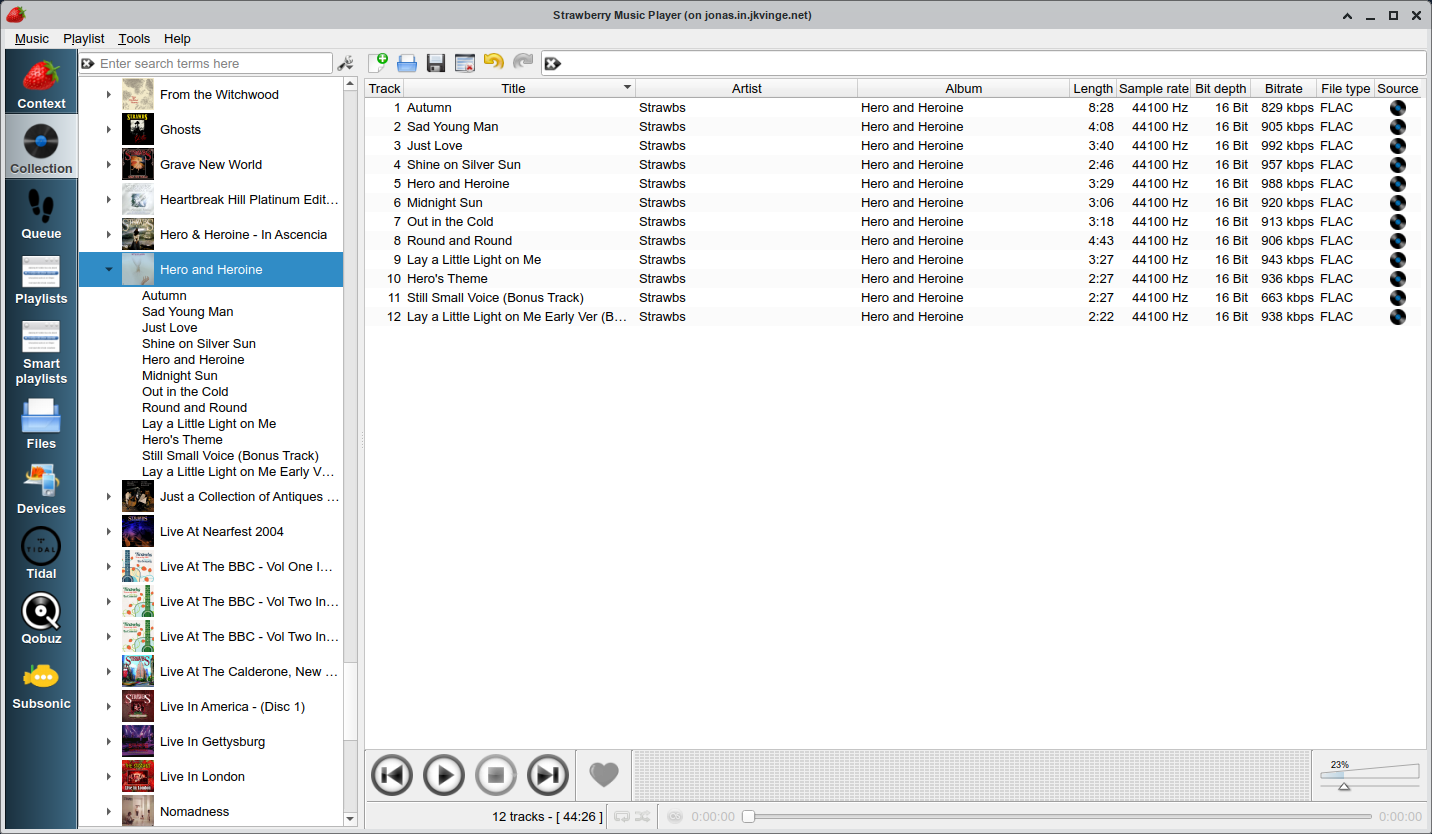
Collection view.

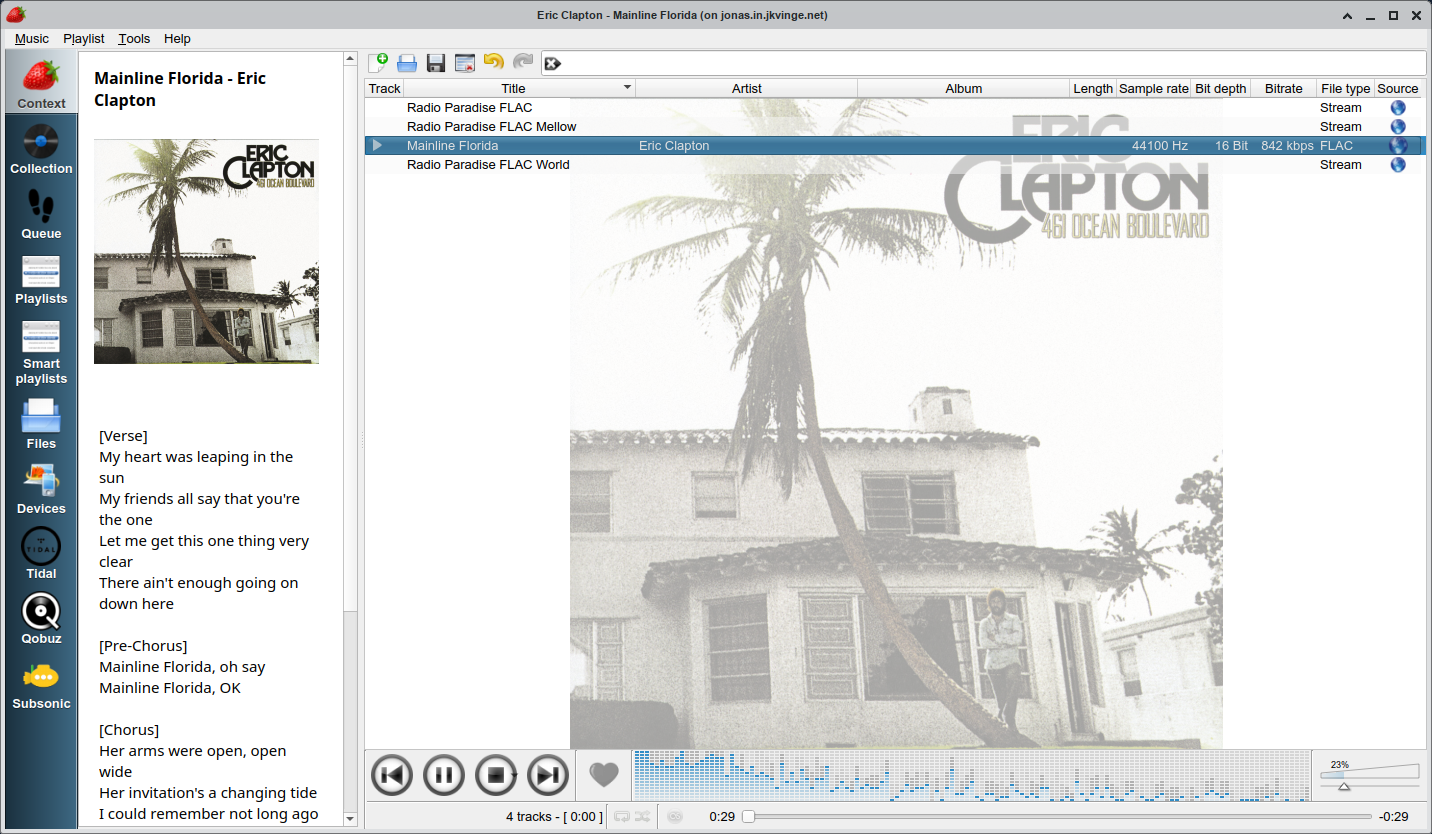
Streaming from Radio Paradise.

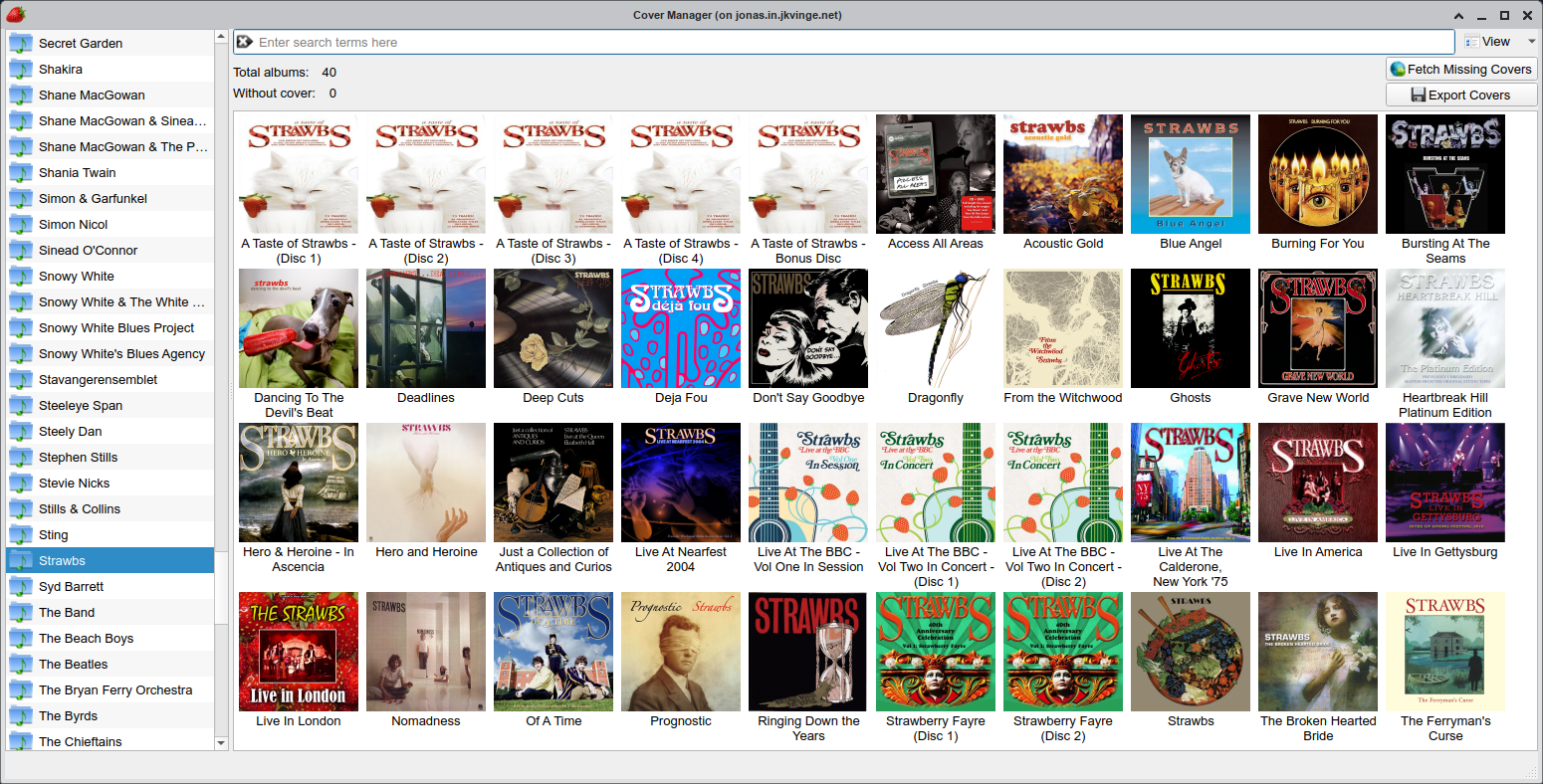
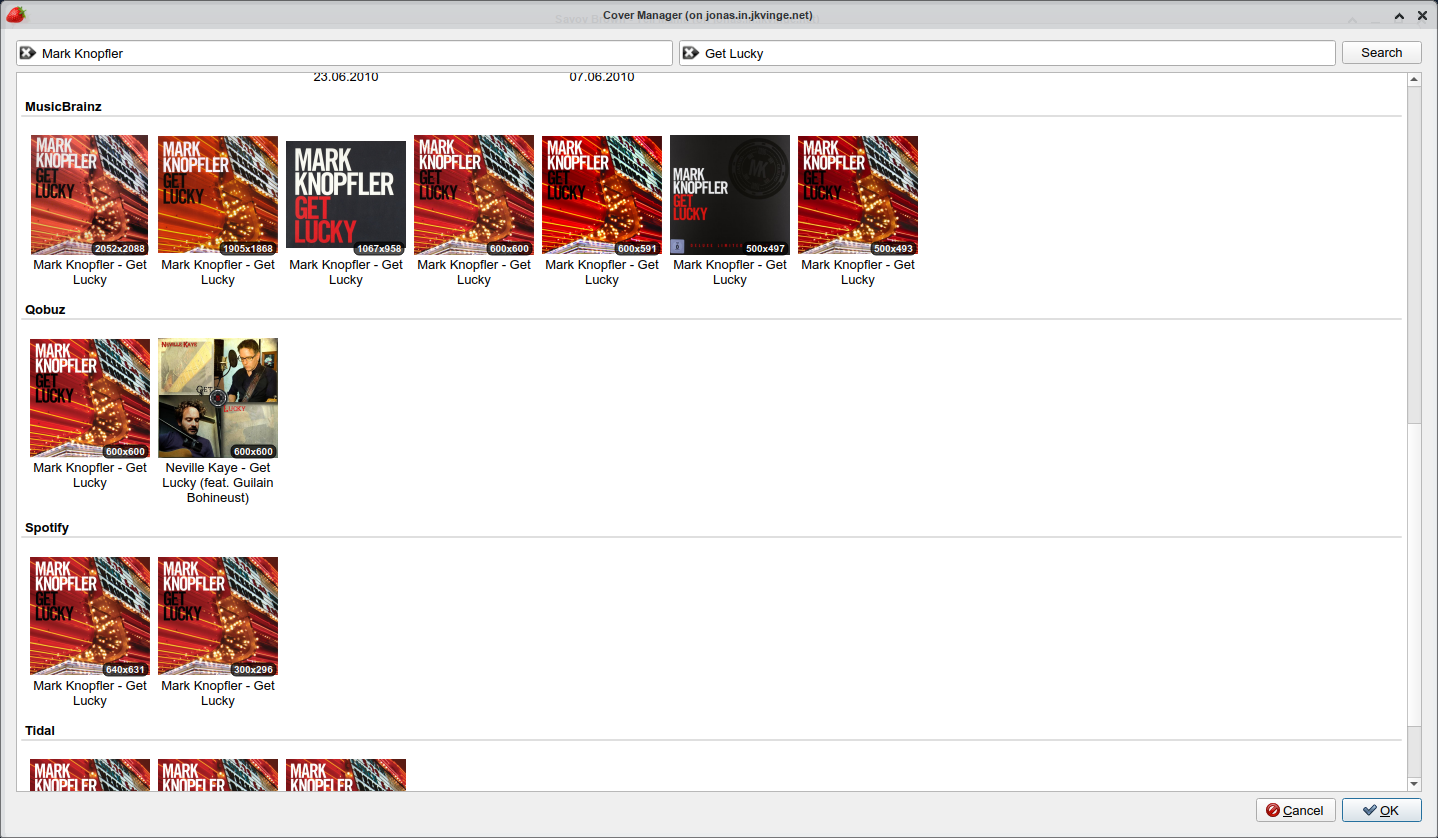
Album Cover manager, easily get covers for all of your albums.

Manual cover search.

“Lumion 10 won’t render like Corona or V-Ray out of the box, but with these settings, you’ll close 90% of the gap – in 10% of the time.”

A: Yes. Hyperlight simulates indirect light bouncing off colored surfaces (e.g., a red wall turning a white floor pink). Set to 0.6 for exterior; 0.9 for interior.

Always turn this effect ON to ensure all vertical lines in your image are perfectly straight.

Use a very tiny amount (below 0.1) to mimic the slight color fringing found at the edges of real camera lenses. 5. Resolution and Output

If your Lumion 10 renders still look like video game screenshots, you’re missing a few key settings. Achieving photorealism isn’t about one magic slider—it’s about combining the right effects in the right order. Below are the essential settings I use to turn "CGI-looking" into "is this a photo?"

To get a professional look, you should start with the preset and then manually fine-tune these critical effects: