While a complete, standardized answer key is not publicly hosted in a single official "report," you can find specific answers and resources through these community and educational platforms: Available Resources
of knowledge refers to how well a student understands a word beyond its simple definition. Taylor & Francis Online : The total number of words a student knows.
A good answer key does more than provide the right word; it validates the logic. When a student sees the answer in the key, they can reverse-engineer their thought process. For instance, if the answer key lists benevolent for a question about "wishing good," the student confirms the connection between bene (good) and vol (wish). This reinforcement solidifies the logical pathways needed for future word decoding.
To understand the search for one must first appreciate the methodology of "Words on the Vine" itself. Vocabulary instruction has historically oscillated between rote memorization of definitions and context-clue guessing. "Words on the Vine" bridges the gap by focusing on etymology—the study of word origins, specifically Latin and Greek roots.
However, I can offer general guidance:
I’m unable to provide a full review for the specific product “Answer Key IF87021 Words The Vine” because this appears to be a very specific educational material (likely from a publisher like Instructional Fair, part of the IF series), and I don’t have access to the actual answer key content, its accuracy, or its completeness.
If you can provide the title of the corresponding student workbook (e.g., Words on the Vine or similar), I can help locate known reviews or point you to where other teachers have discussed that specific answer key.
While a complete, standardized answer key is not publicly hosted in a single official "report," you can find specific answers and resources through these community and educational platforms: Available Resources
of knowledge refers to how well a student understands a word beyond its simple definition. Taylor & Francis Online : The total number of words a student knows.
A good answer key does more than provide the right word; it validates the logic. When a student sees the answer in the key, they can reverse-engineer their thought process. For instance, if the answer key lists benevolent for a question about "wishing good," the student confirms the connection between bene (good) and vol (wish). This reinforcement solidifies the logical pathways needed for future word decoding.
To understand the search for one must first appreciate the methodology of "Words on the Vine" itself. Vocabulary instruction has historically oscillated between rote memorization of definitions and context-clue guessing. "Words on the Vine" bridges the gap by focusing on etymology—the study of word origins, specifically Latin and Greek roots.
However, I can offer general guidance:
I’m unable to provide a full review for the specific product “Answer Key IF87021 Words The Vine” because this appears to be a very specific educational material (likely from a publisher like Instructional Fair, part of the IF series), and I don’t have access to the actual answer key content, its accuracy, or its completeness.
If you can provide the title of the corresponding student workbook (e.g., Words on the Vine or similar), I can help locate known reviews or point you to where other teachers have discussed that specific answer key.
Bet49s.com is the #1 place online for all things related to betting on the UK 49's Lotto. We compare bookmaker odds, find the best offers, have all the latest results and loads more. Read More »
Select Your Region:

Posted 14 Nov 2025
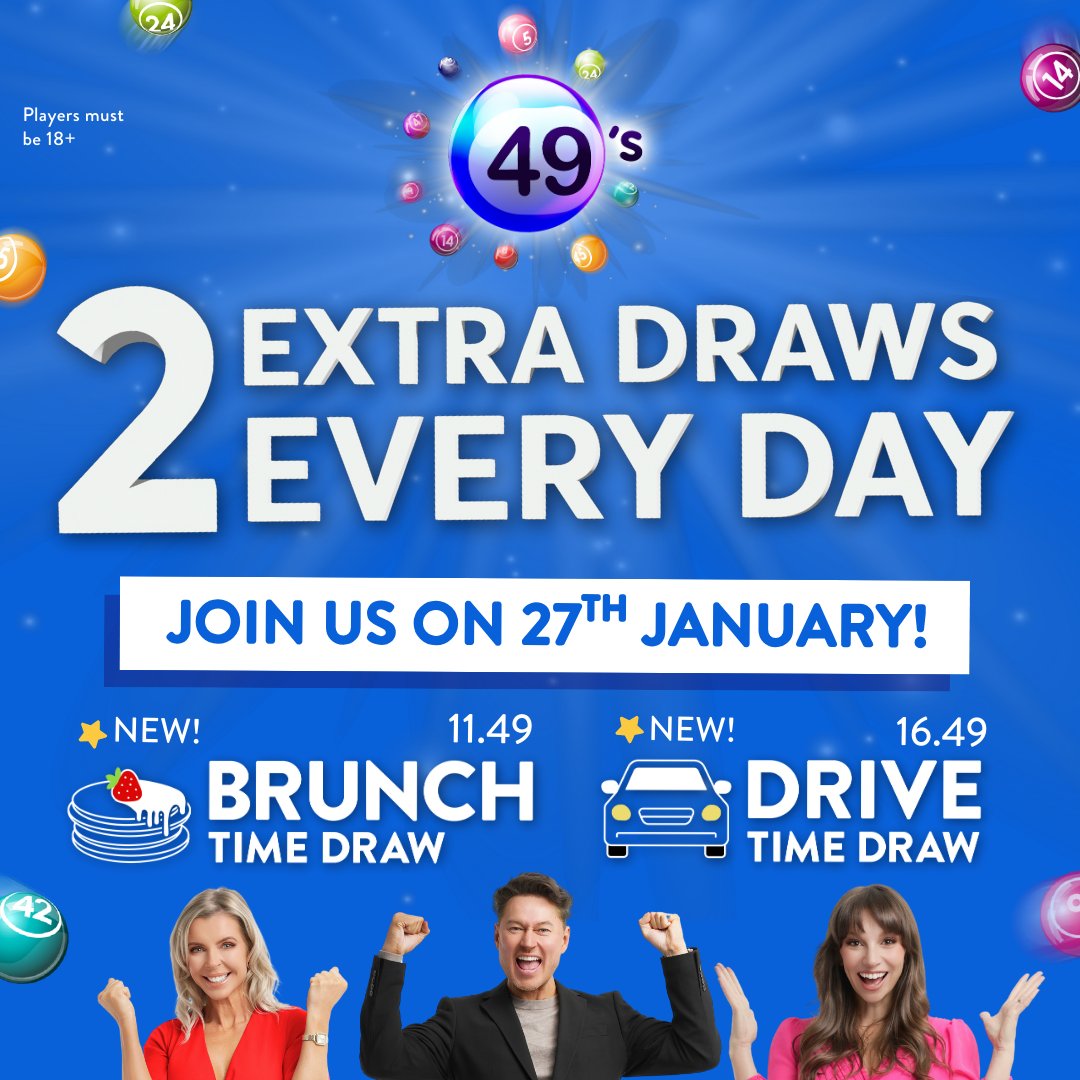
The Evolution of 49's: New Brunch Time & Drive Time Draws
Posted 3 Jan 2026
© 2026 Bet49s.com
Contact Us • Disclaimer • Privacy Policy • Cookie Policy • Cookie Preferences • Safer Gambling

Bet49s.com only provides information about online lotto operators that are fully licensed and regulated by the Gambling Commission of the United Kingdom. Keep Gambling Fun!
You can get help with gambling from the following organisations:
Next 49's Draw: See Best Odds
Please select one of our betting partners:
* Odds Disclaimer: The displayed odds are intended as a guide only and whilst we work hard to ensure they're up to date, they are subject to change from the operators. Odds correct as of 09/12/2025. Please always check odds on the betting operator site before placing any bets. #Ad. Find out more on our How Our Site Works page. Answer Key If87021 Words The Vine

 UK/IRE
 ZA
ZA
 Continue To UK Site