Given that Windows Server 2003 has reached its end-of-life (EOL) and is no longer supported by Microsoft, organizations should consider migrating to newer, more secure, and supported versions of Windows Server. Some alternatives include:
If you are unable to afford a legitimate license for Windows Server 2003, there are alternative solutions you can explore:
In the early 2000s, Windows Server 2003 was a popular choice for businesses and organizations looking to manage their networks and provide various services such as file and print sharing, email, and web hosting. However, as with any software, the need for activation and licensing became a requirement to ensure that users were not pirating the software. Unfortunately, some individuals and organizations resorted to using Windows Server 2003 activation cracks to bypass the activation process.
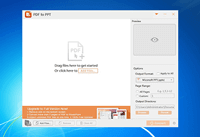
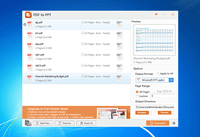
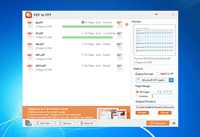
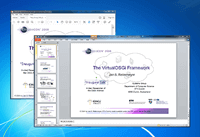
Spend less time retyping, easily move the contents from PDF files to editable Powerpoint documents.
Given that Windows Server 2003 has reached its end-of-life (EOL) and is no longer supported by Microsoft, organizations should consider migrating to newer, more secure, and supported versions of Windows Server. Some alternatives include:
If you are unable to afford a legitimate license for Windows Server 2003, there are alternative solutions you can explore:
In the early 2000s, Windows Server 2003 was a popular choice for businesses and organizations looking to manage their networks and provide various services such as file and print sharing, email, and web hosting. However, as with any software, the need for activation and licensing became a requirement to ensure that users were not pirating the software. Unfortunately, some individuals and organizations resorted to using Windows Server 2003 activation cracks to bypass the activation process.



 PDF Printer
 Air Printer
 PDF Scanner
 Photo to PDF
 Flyingbee Reader
 PDF Merger
 PDF Splitter
 PDF Compressor
 PDF Password Remover
 PDF Encryptor
 PDF Converter
 PDF to Word
 PDF to Powerpoint
 PDF to Excel
 PDF to Text
 PDF to JPEG