हर दिन की शुरुआत करें एक नई जानकारी के साथ।
DownloadThis person is not sad. Sadness has a story. This person is erased . They exist in the gap between a body they reject and a history they cannot access. The phrase is the sound of a self that has been reduced to a single, incomplete consonant.
Tracking the precise origin of is like trying to catch fog. It does not appear in classic literature. It is not a line from Gabriel García Márquez or Julio Cortázar. Instead, evidence points to a few possible sources:
On a surface level, it reads like a surrealist poem written by a confused toddler. Why would someone dislike their own neck? Is it a commentary on vanity? Is it a medical symptom? The absurdity is precisely where the humor lies.
One such phrase that has puzzled, amused, and delighted Spanish speakers and language learners alike is the bizarre yet catchy string of words:
Why does the speaker specifically dislike their neck? In the hierarchy of body dysmorphia, the neck is often overlooked. We are used to hearing about dislike of noses, stomachs, or skin. The neck, however, is a vulnerable bridge—it connects the head (mind, identity) to the body (physical existence).
Spanish internet culture is deeply intertwined with music, specifically Reggaeton and Trap Latino. The rhythm of the phrase "Ni me gusta mi cuello" fits perfectly into a Dembow beat. It is trochaic and punchy.
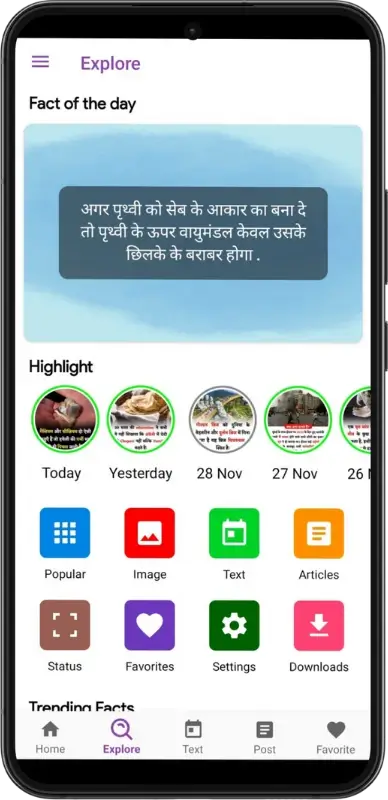
India’s #1 Fact App Download with Unique and Exciting Features
Get fresh and unique Rochak Jankari in Hindi every day.
Stay updated with the most popular and viral facts in Hindi.
Explore the most remarkable fact selected as the highlight of the day.
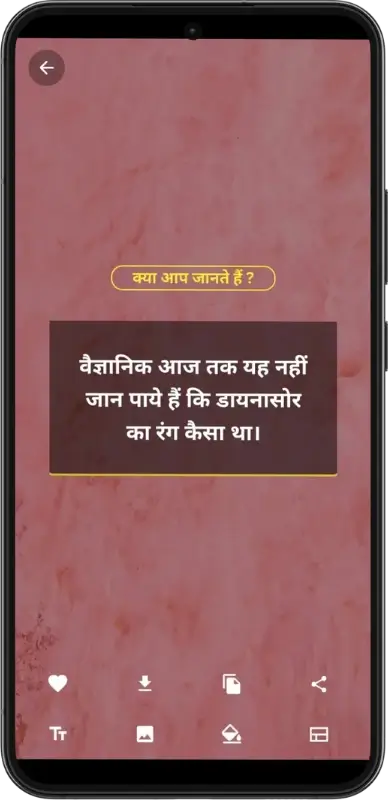
Share amazing and interesting facts directly with friends and family.

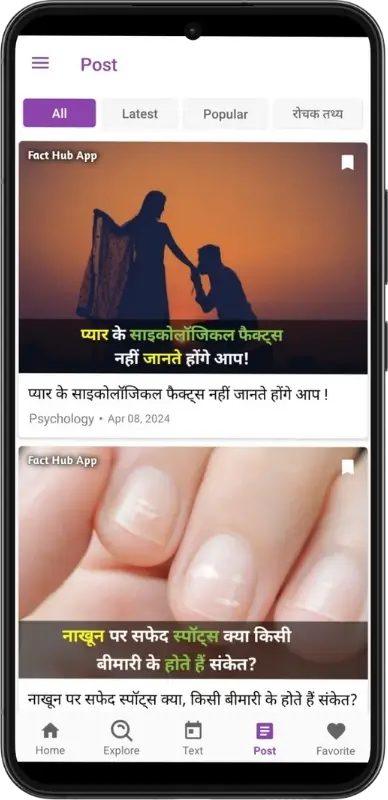
Dive into detailed articles about science, history, and more in Hindi.
Stay updated with a new fact every morning through push notifications.
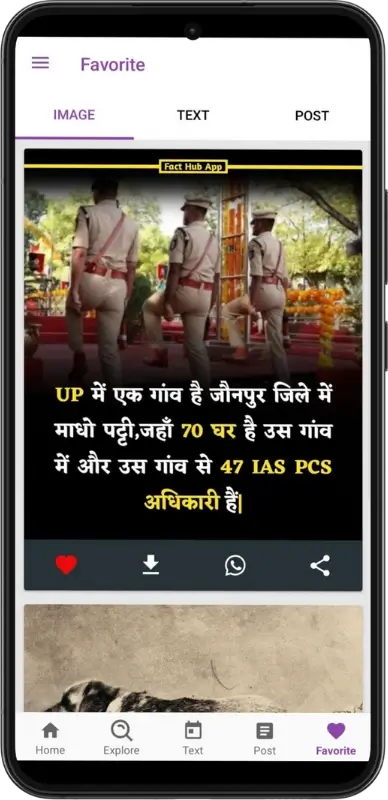
Bookmark your favorite facts and revisit them anytime.
Enjoy a smooth, intuitive, and visually appealing interface.

See how our Hindi Facts App makes learning fun and engaging!
Join our growing community of curious minds and fact lovers!
Downloads Worldwide
Average User Rating
Their are many type of Facts
This person is not sad. Sadness has a story. This person is erased . They exist in the gap between a body they reject and a history they cannot access. The phrase is the sound of a self that has been reduced to a single, incomplete consonant.
Tracking the precise origin of is like trying to catch fog. It does not appear in classic literature. It is not a line from Gabriel García Márquez or Julio Cortázar. Instead, evidence points to a few possible sources:
On a surface level, it reads like a surrealist poem written by a confused toddler. Why would someone dislike their own neck? Is it a commentary on vanity? Is it a medical symptom? The absurdity is precisely where the humor lies.
One such phrase that has puzzled, amused, and delighted Spanish speakers and language learners alike is the bizarre yet catchy string of words:
Why does the speaker specifically dislike their neck? In the hierarchy of body dysmorphia, the neck is often overlooked. We are used to hearing about dislike of noses, stomachs, or skin. The neck, however, is a vulnerable bridge—it connects the head (mind, identity) to the body (physical existence).
Spanish internet culture is deeply intertwined with music, specifically Reggaeton and Trap Latino. The rhythm of the phrase "Ni me gusta mi cuello" fits perfectly into a Dembow beat. It is trochaic and punchy.