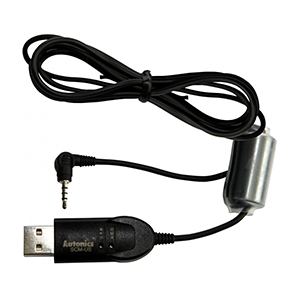
Unlike DOS or Windows 9x, Windows NT introduced a strict hardware abstraction layer (HAL) that prevented user-mode applications from directly accessing hardware ports. This was a security measure—but it broke many legacy programs that relied on direct parallel port control (e.g., old CNC controllers, EPROM programmers, dongle-based copy protection, and some industrial printers).
Let's look under the hood. The file itself is small (typically 40–100 KB) and written in C/C++ for 32-bit systems. It performs the following functions:

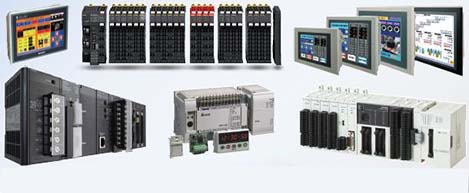 Automation Systems
 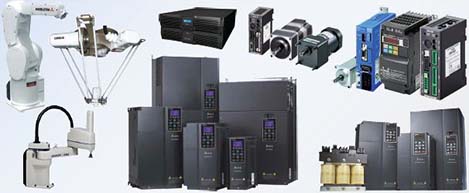 Motion & Power Solutions
 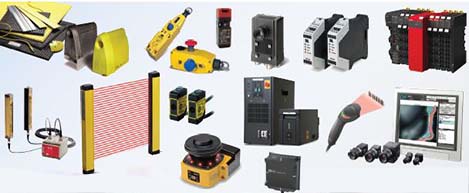 Safety, Vision and IDENT
 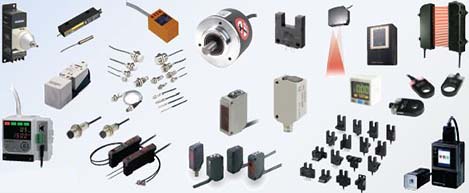 Sensing Solutions
 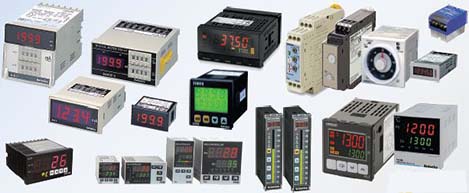 Control Components
 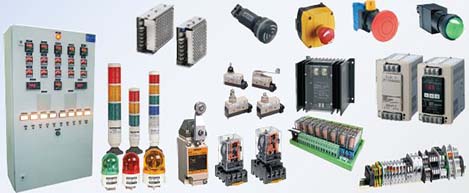 Switching & Accessories
 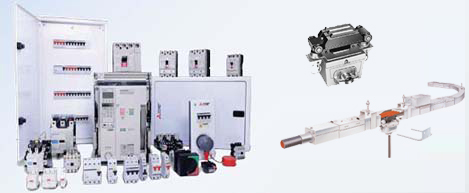 Switchgear and Trolley Systems
 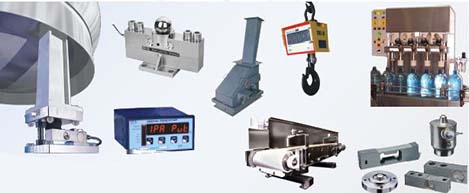 Process Weighing
 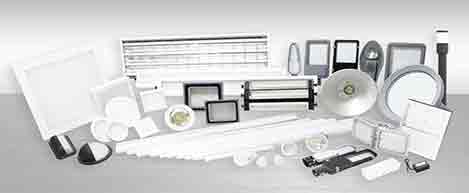 LED Lighting
  Omron
Omron
 Mitsubishi
 Delta
Delta
 Autonics
 Inno
Inno
 Panasonic
 Novotechnik
 Orientalmotor
 Microscan
 IPA
IPA
 Technomech
 Intech
 Honeywell
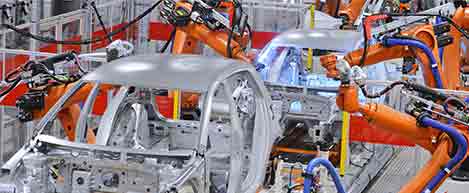 IOT & Traceability
 Project & Panel Engg.
 Application Case Studies
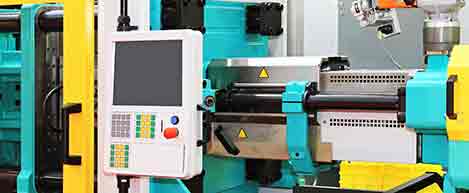 Solutions by Industry
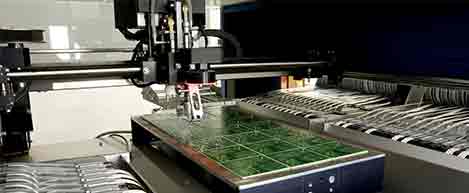 Solutions by Process
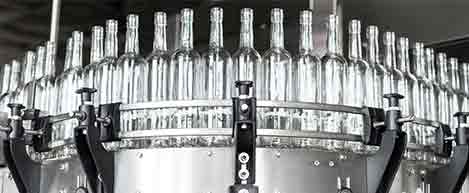 Solutions by Product
 Youtube Videos
 Corporate Information
 Company Profile
 Quality Policy
 Mission Statement
 Chairman's Message
 Intech Group Companies