Windows 10, Windows 2012/2020/2022
 Red Hat, Suse, Ubuntu, Fedora & Others with GTK*
  Mac Os x (10.3 +, Tested on Ventura/Yosemite/Sierra/Mojave)
 and comes with 30 Days Money Back Guarantee.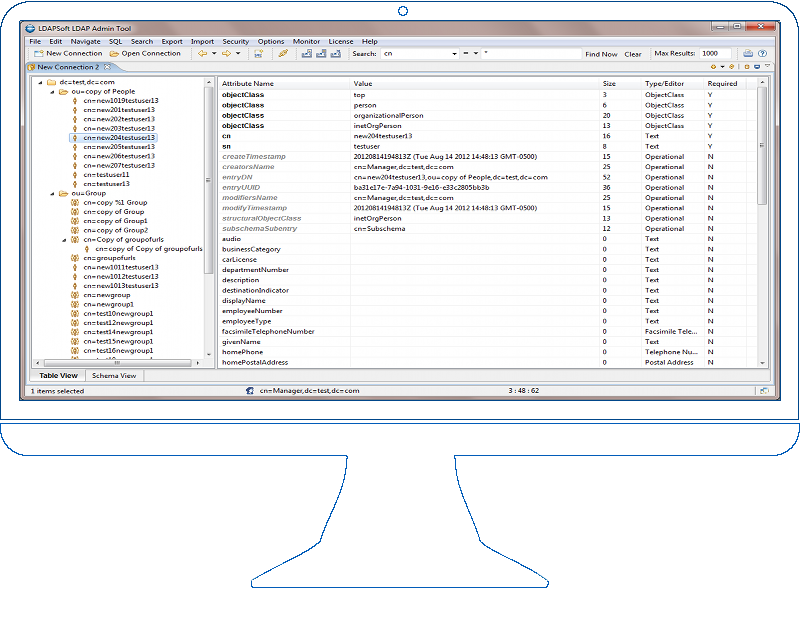
Whether you are designing a Passive Optical Network (PON), installing a satellite TV system for a hotel, or balancing RF signals in a laboratory, understanding how to calculate splitter ratios is non-negotiable. This article will explain what a splitter ratio is, why the math matters, how to use a calculator, and the physics that makes it all work.
If Leg A has 20 meters of cable (20m * 0.2dB = 4dB loss) and Leg B has 100 meters (20dB loss):
Let's move theory into practice. Here are three real-world scenarios where you must use a calculator.
Using a splitter ratio calculator is straightforward. Here's a step-by-step guide:
An improperly calculated splitter creates impedance mismatches. When the signal hits a mismatch, it bounces back toward the source (reflection). This creates "ghosting" in video or errors in data. Calculating the correct ratio minimizes these reflections.
( 10 + 50 = 60 \text mW ) (40 mW lost internally – typical for resistive splitters). If we assume ideal splitter with no excess loss, sum must equal 100 mW → impossible. Thus, adjust expectations or add an amplifier.