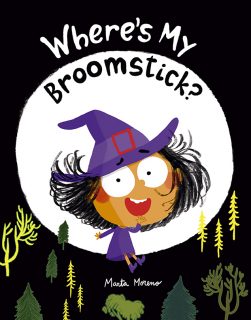
I am searching a book for...




Indian Trany Photo Review
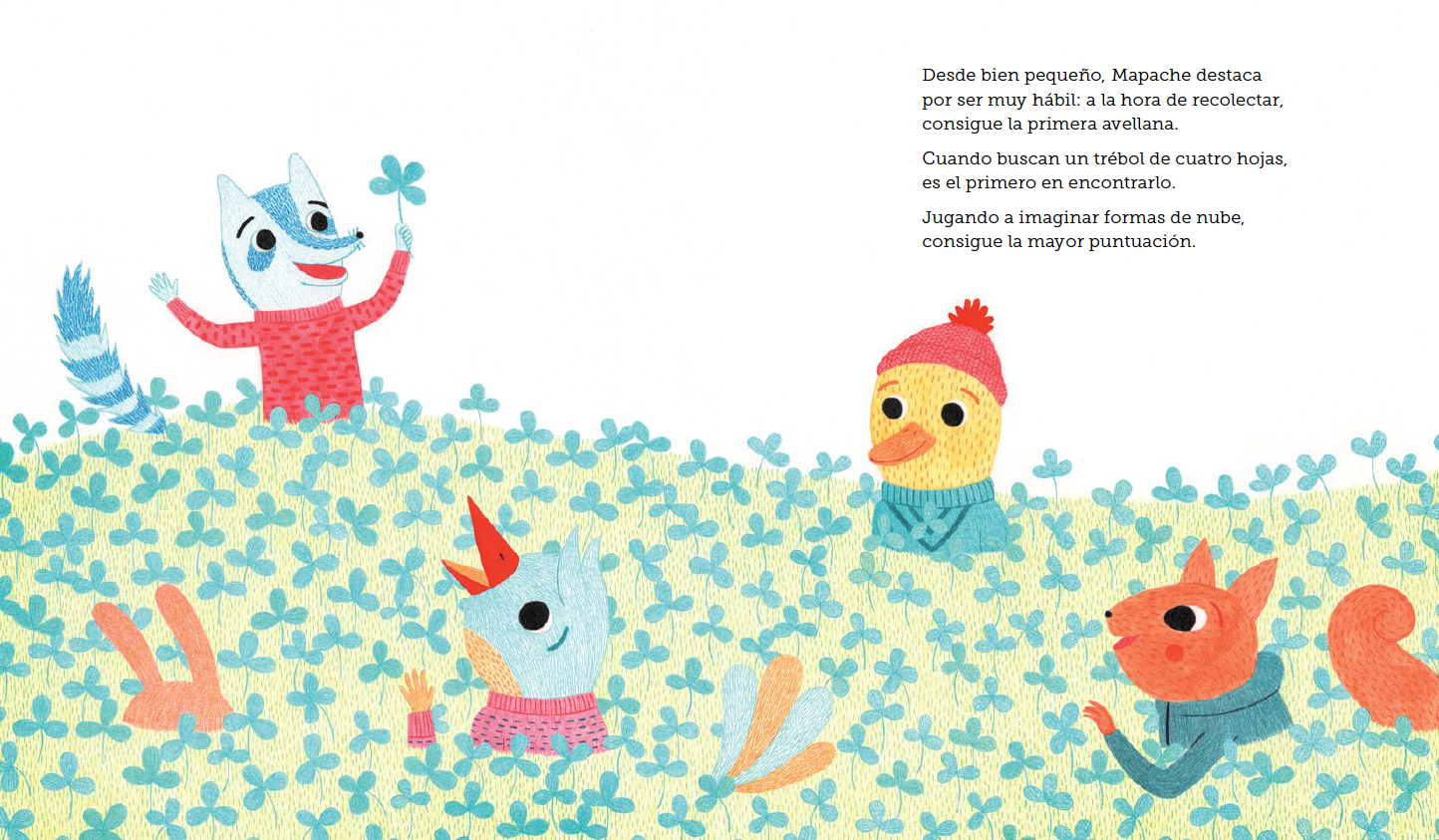
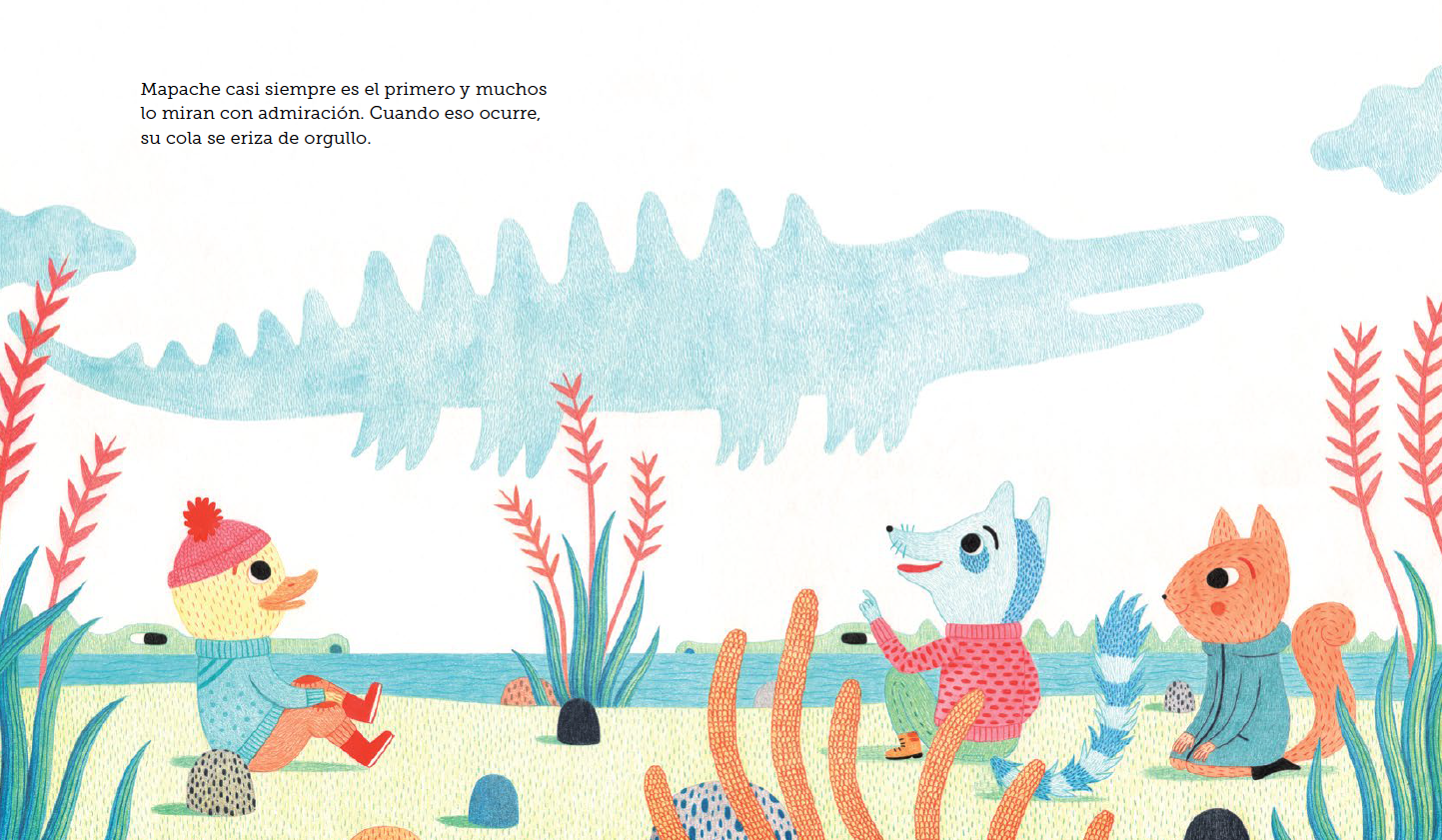
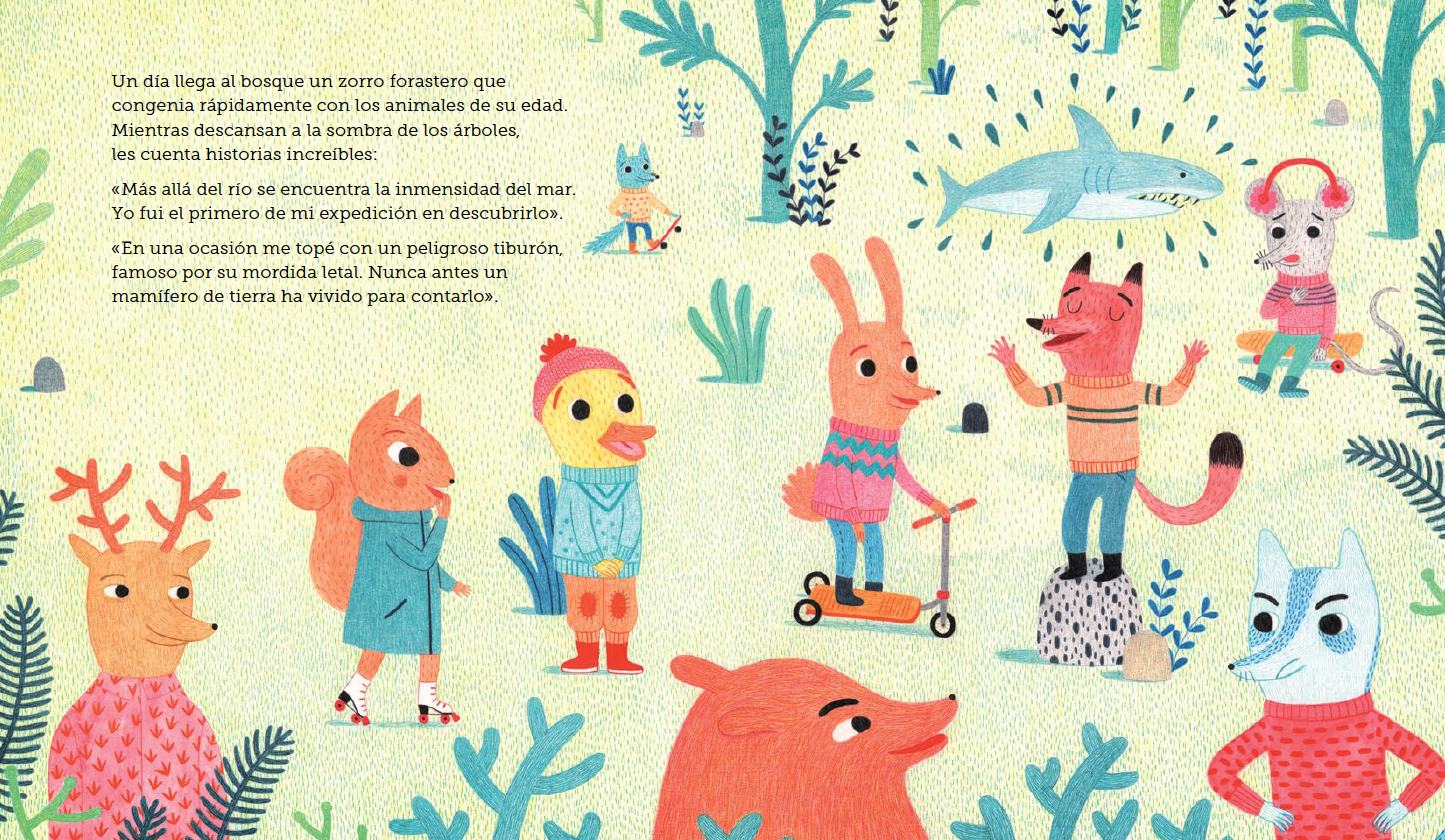
Mapache y sus amigos se dan cuenta de que “ser el primero” no es lo más importante.
Complete description





Indian Trany Photo Review
Ultimately, a search for a photo of a transgender person in India opens up a vast archive of human experience. It reflects a journey from ancient reverence to colonial criminalization, and from modern marginalization to a powerful, self-led renaissance. Moving forward, the goal of society and digital consumers alike must be to look past derogatory search terms and fetishized images. Instead, the focus must shift to celebrating the authentic, diverse, and brilliant spectrum of the Indian transgender community, honoring their right to be seen on their own terms.
Historically, India has a rich and recorded history of gender non-conformity. The most prominent group within the Indian transgender spectrum is the Hijra community. For thousands of years, Hijras—who may be intersex, transgender women, or gender non-conforming individuals—have held a specific, institutionalized role in Indian society. Mentioned in ancient texts like the Mahabharata and the Kama Sutra, they were often viewed as figures of auspiciousness. They were believed to possess the power to grant blessings of fertility and prosperity, and conversely, to issue curses. During the Mughal Empire, many transgender individuals held high-ranking positions as court officials, advisors, and guardians of the royal harems. In this era, the visual representation of third-gender individuals was one of power, mystique, and respect. indian trany photo
Indian transport is a fascinating reflection of the country's diverse culture, rich history, and vibrant landscapes. From the iconic Indian Railways to the colorful world of buses, rickshaws, and metro systems, there's no shortage of interesting subjects to capture through photography. Ultimately, a search for a photo of a
Indian rickshaws, also known as tuk-tuks or auto-rickshaws, are a common mode of transport in many cities. These three-wheeled vehicles are powered by a small engine or human pedaling and are often brightly colored, with vibrant decorations. Instead, the focus must shift to celebrating the
From the luxurious Shatabdi Express to the humble local trains, Indian Railways offers a wide range of services that cater to the needs of its vast customer base. The trains are often decorated with vibrant colors and adorned with intricate designs, reflecting the country's rich artistic heritage.
- Picture book
- Years: + 4 years
- Size: 8 1/4 x 9 5/8 in
- Product Form: Hardback
- Pages: 40
- ISBN: 978-84-943691-5-5
- $ 15,95 / 14,90 €