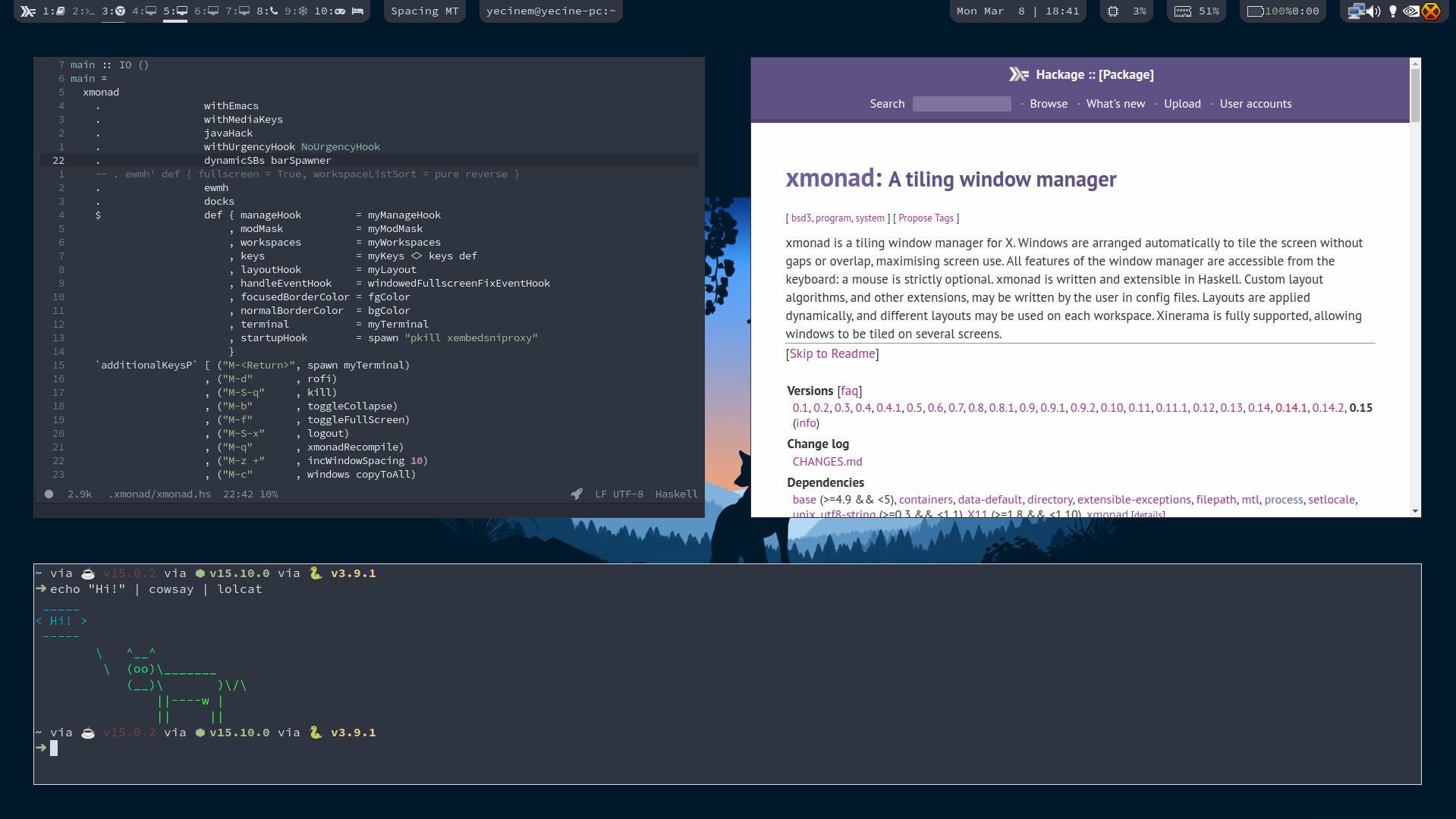
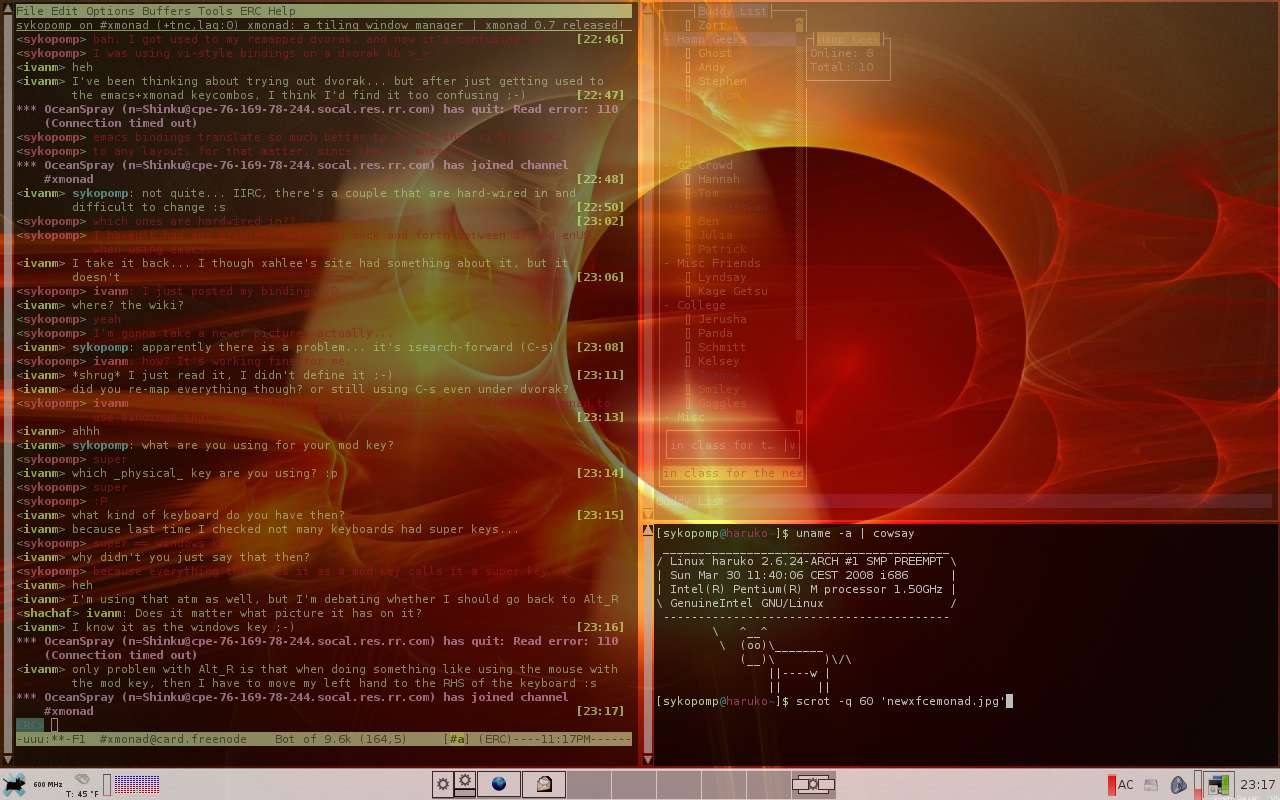
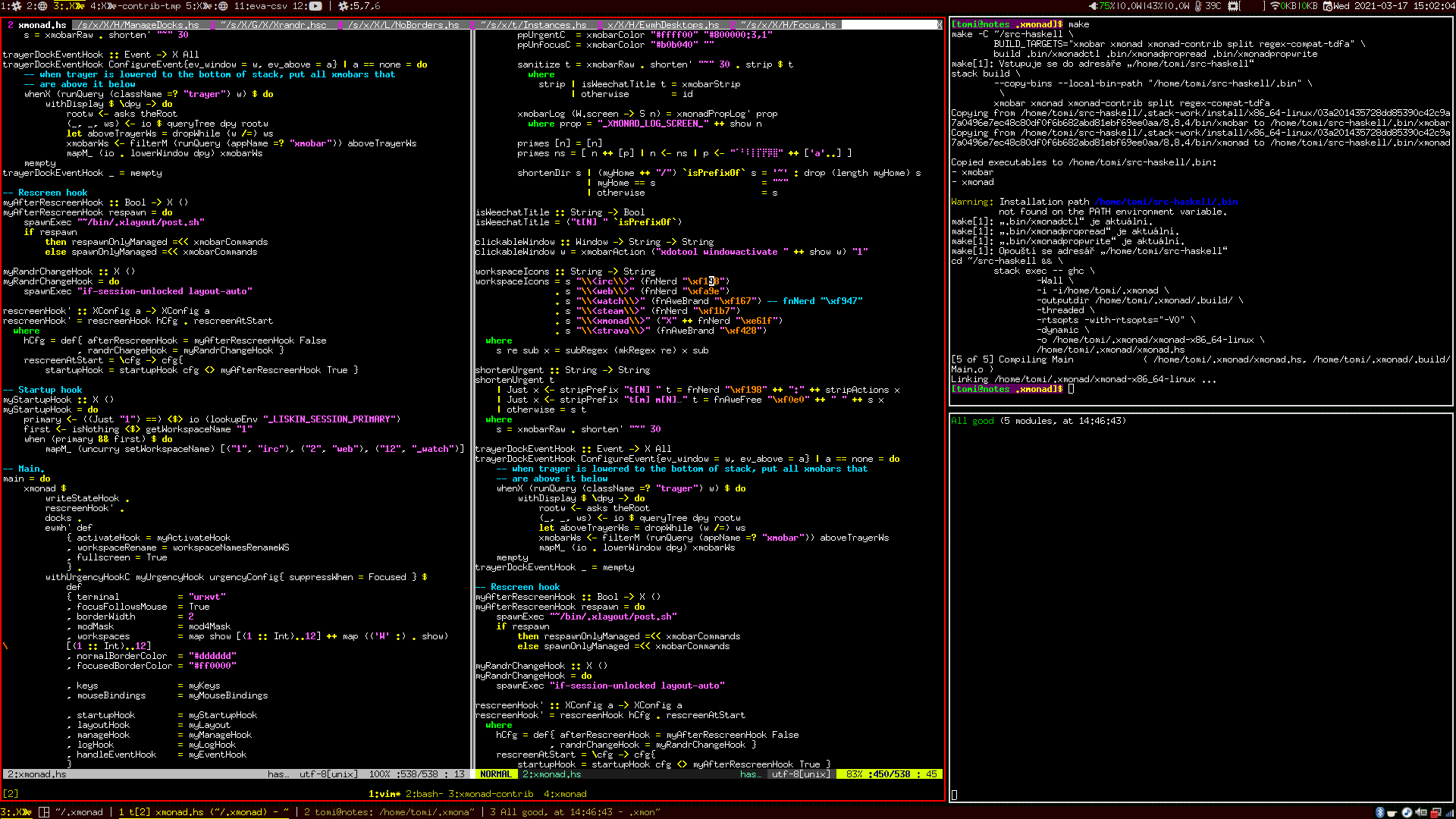
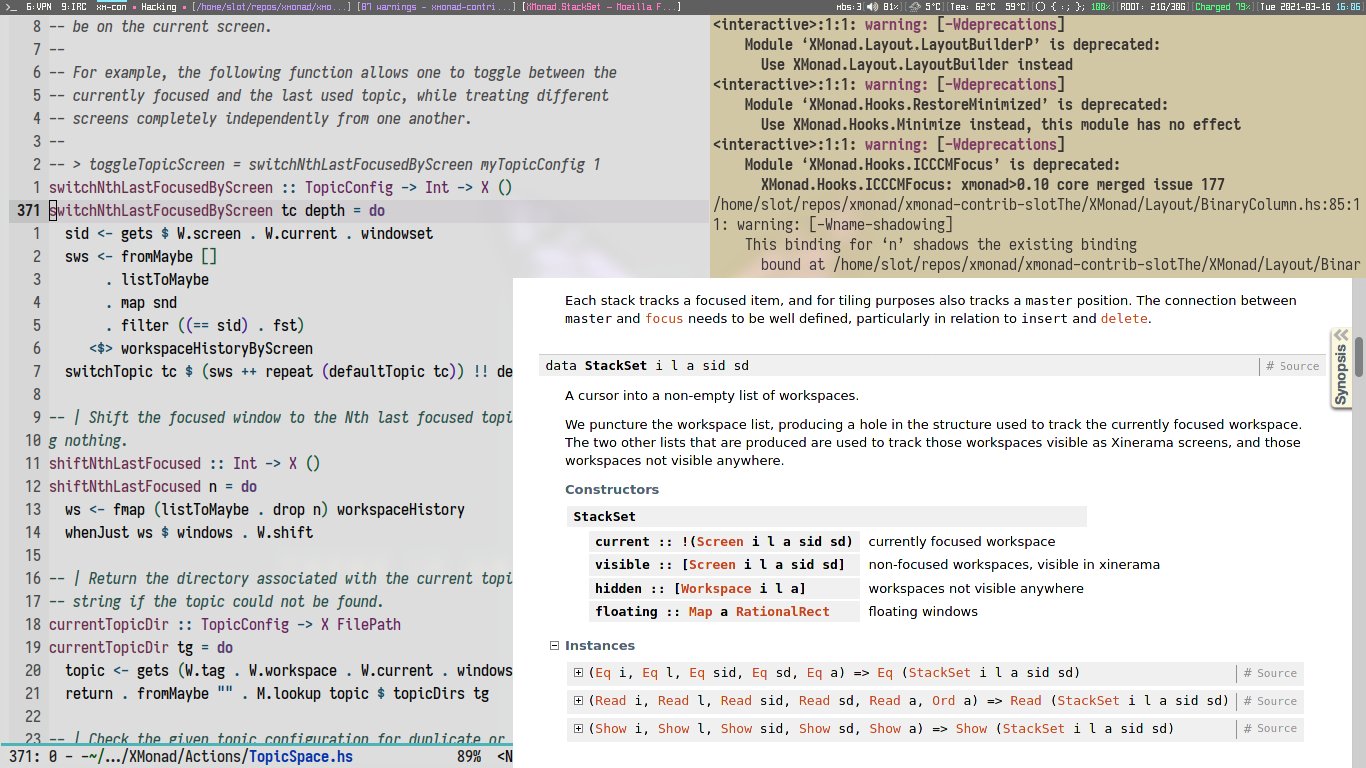
A dynamically tiling X11 window manager that is written and configured in Haskell.
In a normal WM, you spend half your time aligning and searching for windows. XMonad makes work easier, by automating this.
By filtering out the free providers, the search results shift dramatically. The remaining results often contain emails ending in custom domains (e.g., ceo@companyname.com , admin@techstartup.net ). This technique is often referred to in the marketing industry as or "Domain Scraping."
Custom modules allow you to feed negative operators to APIs pulling from historical web archives like Common Crawl (2020 snapshot). -yahoo.com -gmail.com -hotmail.com txt 2020
Data Query Analysis Unit Date: [Current date – hypothetical] Classification: Public / Educational Use By filtering out the free providers, the search
The minus sign is one of the most powerful tools in a searcher’s arsenal. In Boolean logic, this acts as a "NOT" operator. It instructs the search engine to exclude any results that contain the specified term. Data Query Analysis Unit Date: [Current date –
IT teams, rushed and overwhelmed, often set permissions on servers incorrectly. A folder meant to be private might have been set to "public." Consequently, 2020 saw a spike in the number of exposed .txt files containing email lists, employee rosters, and customer data on the open web. Searching for txt 2020 became a way for security researchers to find these exposed buckets before malicious actors could exploit them.
Today, it serves as a for negative filtering logic and a legacy data discovery method for forensic analysts. It reminds us that: