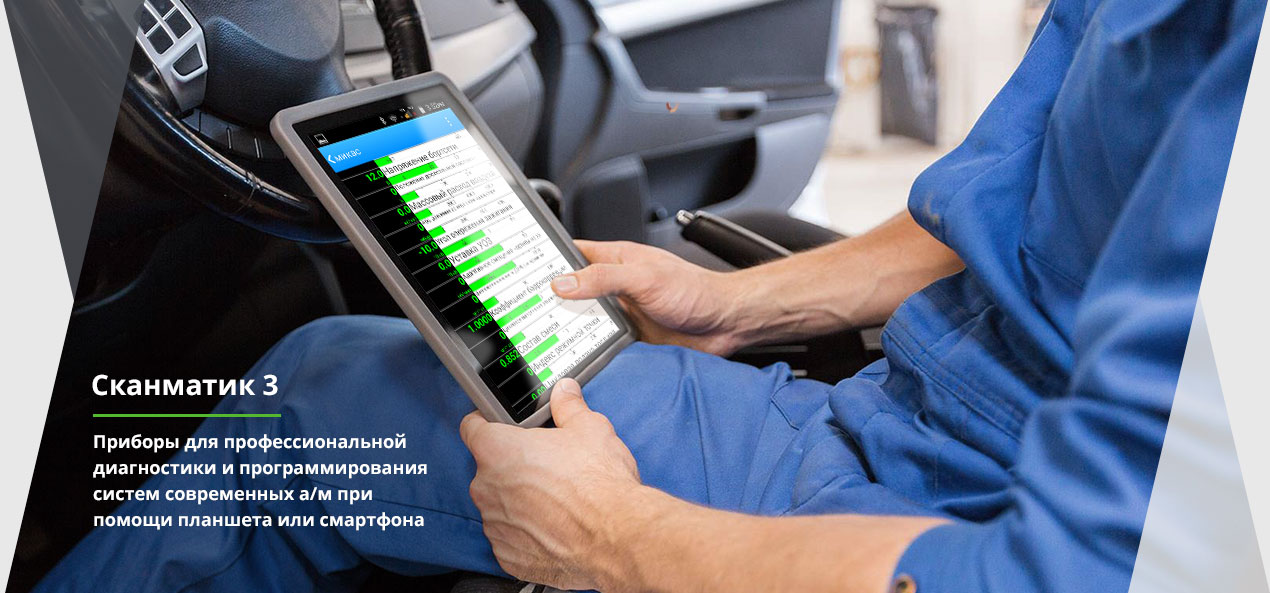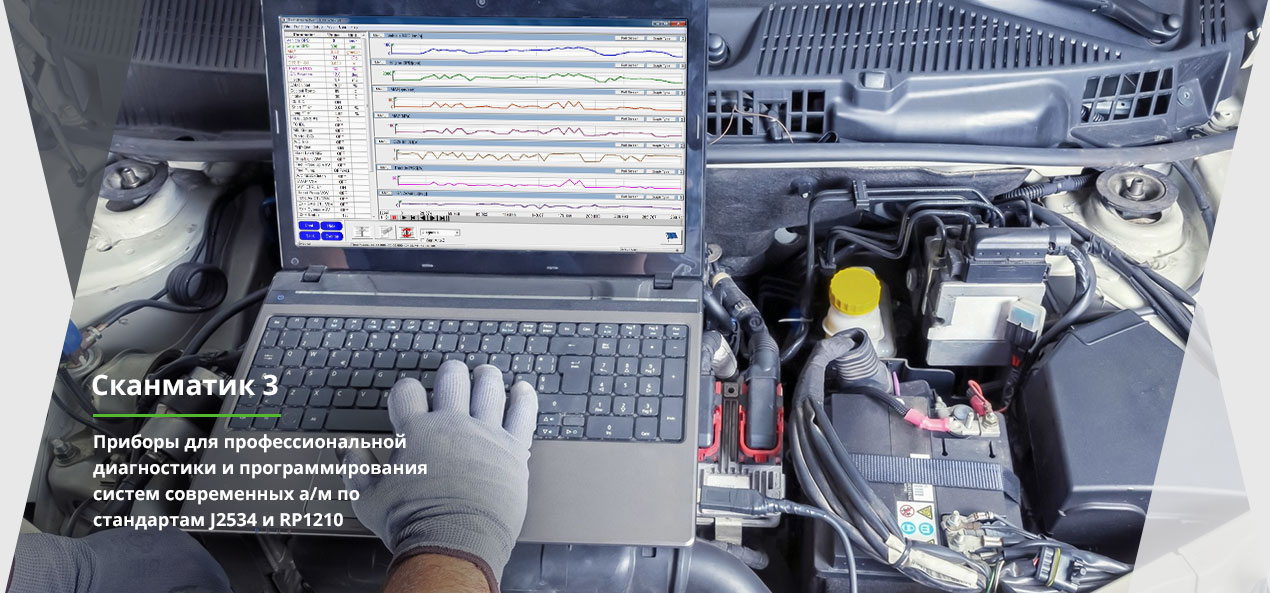
Включает в себя интерфейс для подключения к автомобилям со стандартным диагностическим разъемом (SAE J1962) и необходимое программное обеспечение для наиболее распространенных легковых и грузовых автомобилей.
Второй режим позволяет применять его совместно со сторонним программным обеспечением, работающим по стандартам SAE J2534 и RP1210 ( программы - загрузчики и дилерские диагностические программы для автомобилей).
Why would a consumer desire a product labeled for a single year? The answer lies in
If you want a guide to the Hulu/Searchlight Pictures thriller Fresh : Fresh -2022-2022
"Fresh -2022-2022" is either a typo or a prophecy. As we move further into a digital economy where software rot, link decay, and fast fashion waste dominate, the demand for the "sterile fresh" will only grow. We do not want items that last. We want items that were undeniably legitimate at a single, fixed point in history. Why would a consumer desire a product labeled
In marketing terms, this is the For a brand to stamp their inventory with "Fresh -2022-2022," they are making a radical claim: This item is not a leftover from last year, nor is it an early bird for next year. It exists exclusively in the perfect, sterile bubble of 2022. We do not want items that last
exposure were linked to a double-digit percentage increase in the COVID-19 death rate.

Подписаться на новости
Мы принимаем к оплате



Sharp Canvas World. All rights reserved. В© 2026